CE Marking and DoP: A Purchaser’s Document Check
12 September 2026
IMFire TECHNICAL BLOG · 13 OCTOBER 2026
A technical assessment of fire compartment continuity, smoke control and barrier selection for the project.
Technical assessment in light of recent developments
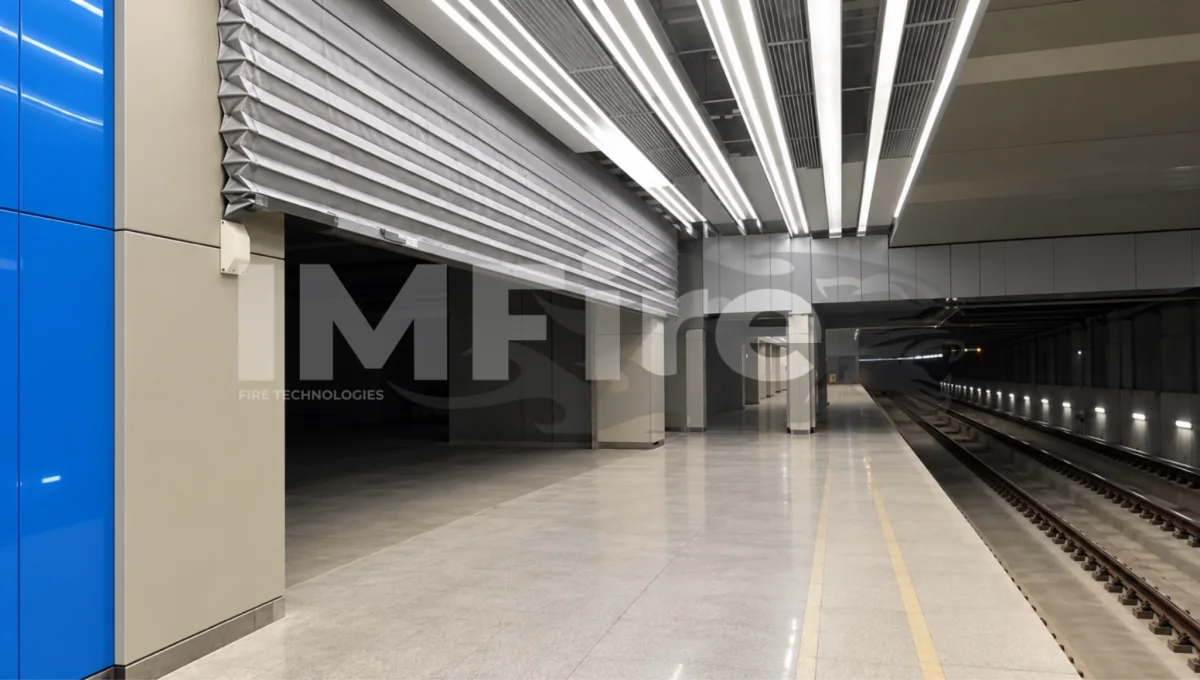
News reports on 13 October 2026 about M5 Ihlamurkuyu Station stated that an incident involving cables produced smoke, passengers were evacuated and services were disrupted. Metro Istanbul described the disruption as a technical fault in its announcement. [1]
These reports highlight the importance of engineering measures to control the spread of fire and smoke in transport structures. Fire safety design aims to coordinate detection, suppression, compartmentation, smoke control and evacuation arrangements.
IMFire develops solutions for protecting openings in line with architectural requirements, the function of the fire compartment and the emergency response scenario.
Continuity of fire compartments
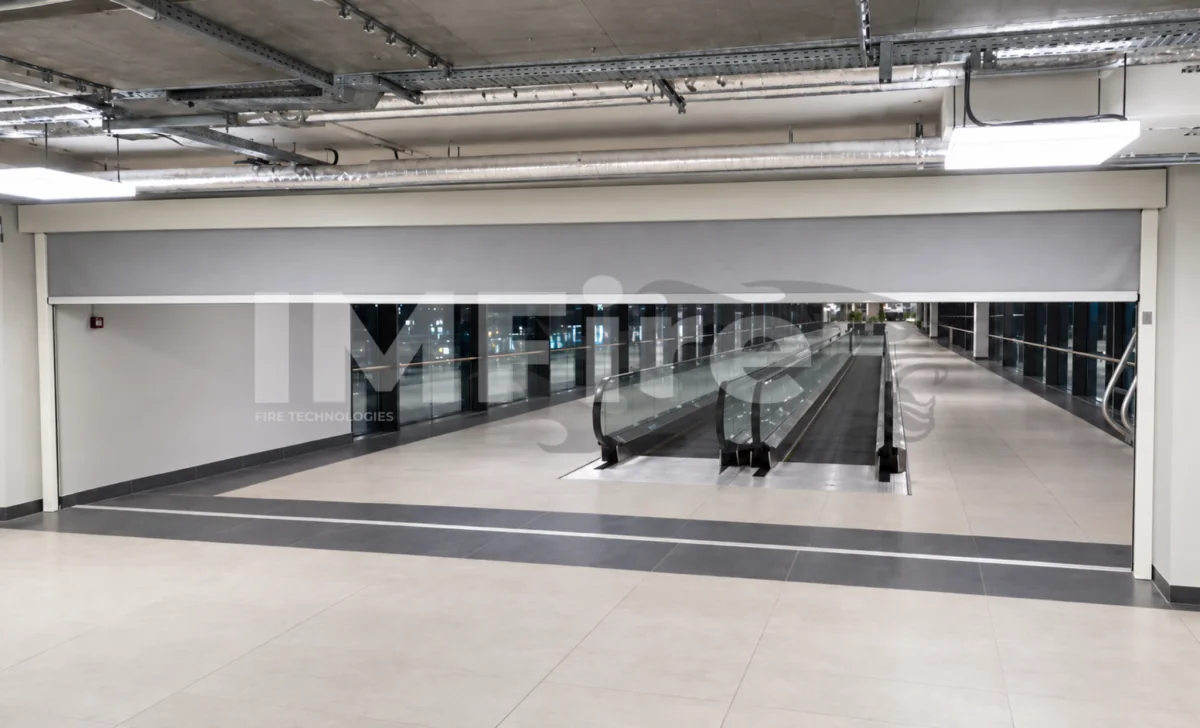
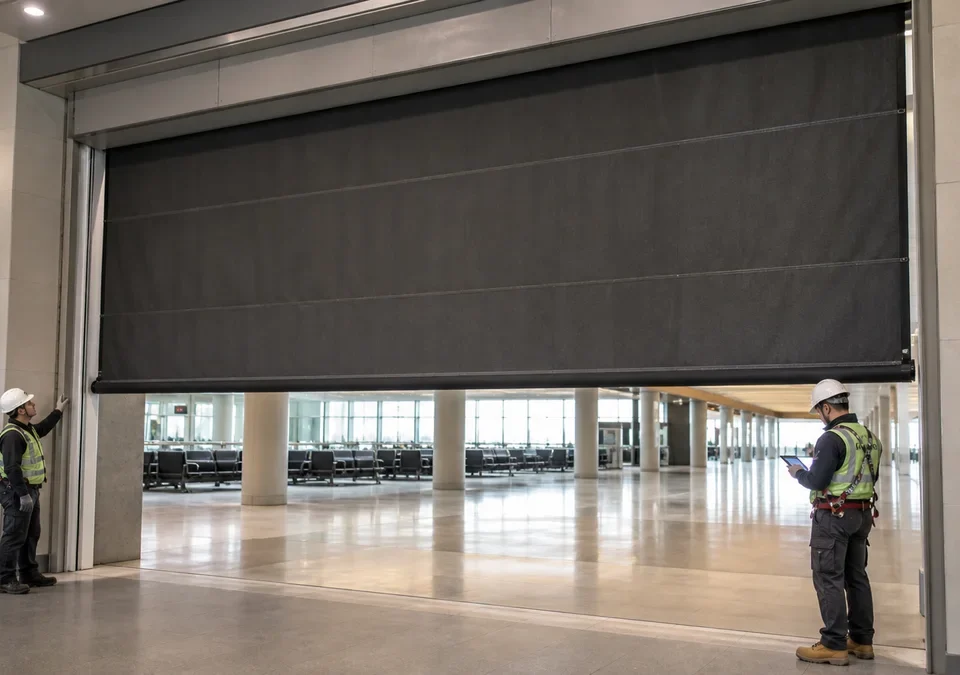
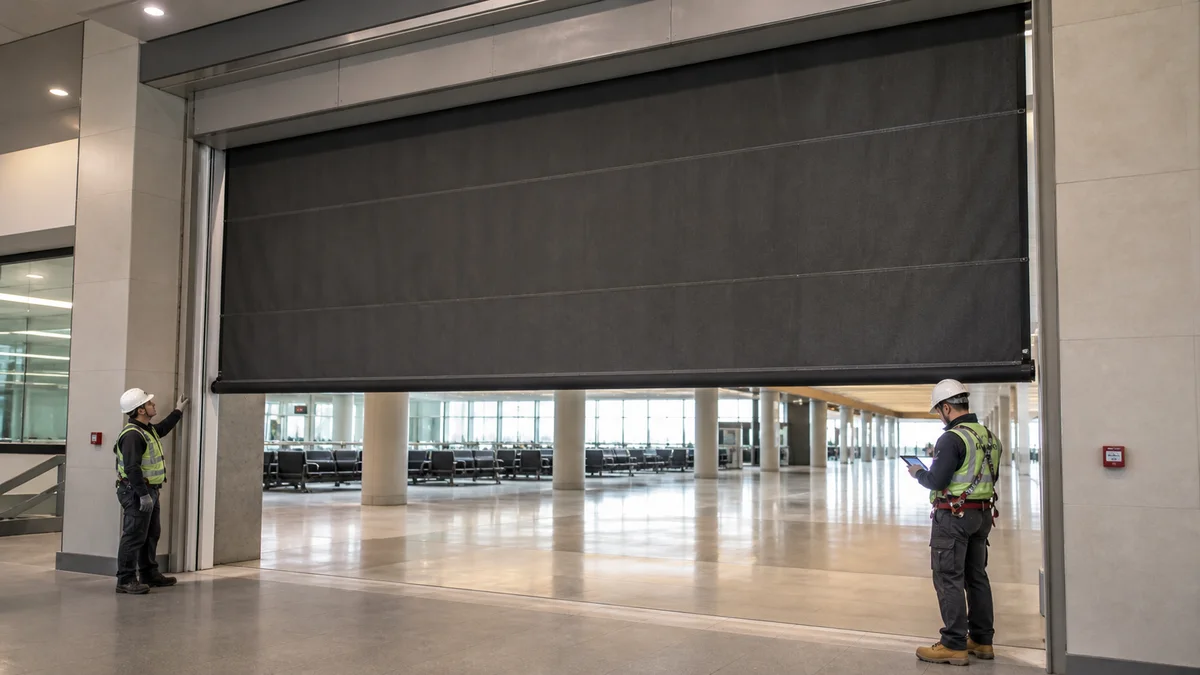
A fire compartment is a complete construction intended to prevent fire from passing from one area to another for a specified performance period. Protecting doors and passage openings with suitable systems is as fundamental to the design as maintaining the continuity of the walls.
When selected in accordance with the required class and scope of documentation, fire curtains close a compartment opening and act as a barrier to flames and hot combustible gases. Smoke spread is controlled through barrier and extraction arrangements appropriate to the project. At wide passages and architectural openings, system selection is assessed together with the opening dimensions, supporting structure and deployment scenario.
In metro structures, platform connections, circulation areas, and transformer, generator and electrical rooms have different requirements. Rather than applying the same product designation directly to every location, the required performance and the movement of users should be defined together for each position.
The fire barrier function is achieved when the system reaches the protective position specified in the approved scenario. Curtain movement and evacuation arrangements are coordinated together at passage openings.
Performance classes and system selection
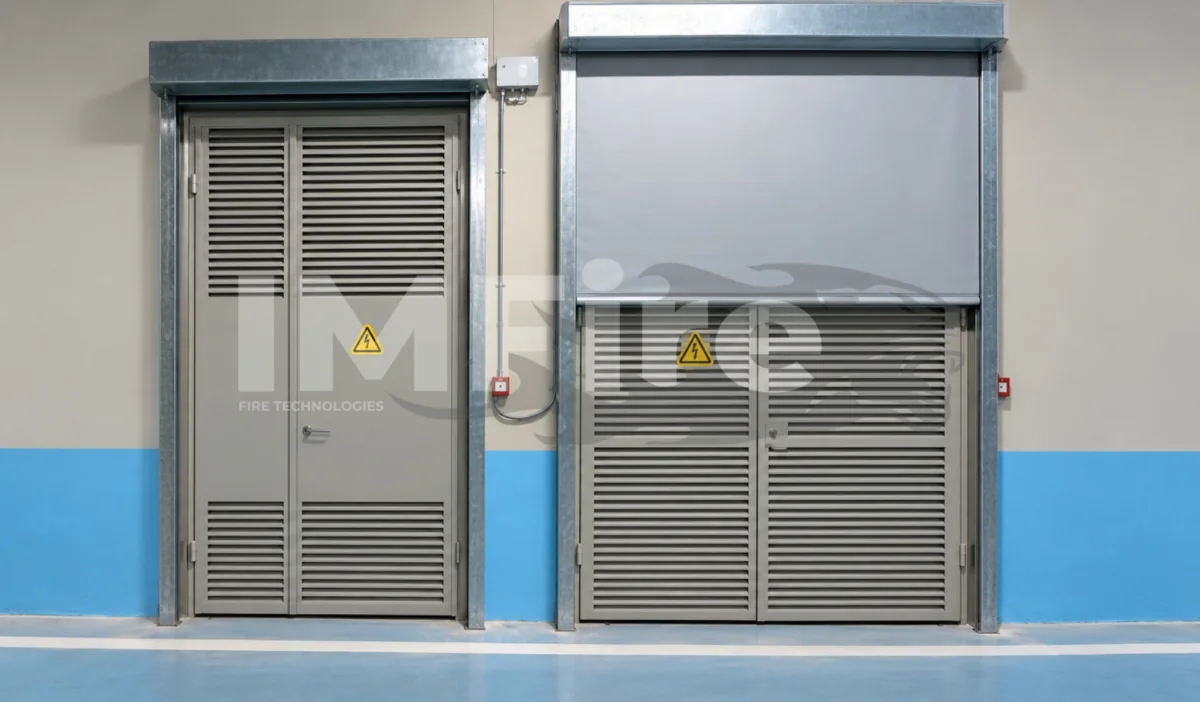
The IMFire DH-E240 fire curtain has E240 performance, providing 240 minutes of fire integrity in the documented system configuration with reference to EN 1634-1 testing and EN 13501-2 classification. It provides a barrier solution that prevents the passage of flames and hot combustible gases at compartment openings. The control of smoke spread is considered together with system design appropriate to the project. [2, 4, 5]
IMFire assesses fire curtain solutions in the E, EW and EI performance classes according to project requirements. Product selection is based on the fire scenario, architectural openings and the relevant test and classification documents. [2]
The main function of a smoke curtain is to form a reservoir boundary within the smoke-control design. It limits the spread of the smoke layer and works together with the designed extraction arrangement. The fans that remove smoke from the space and the air supply system are separate components. [3]
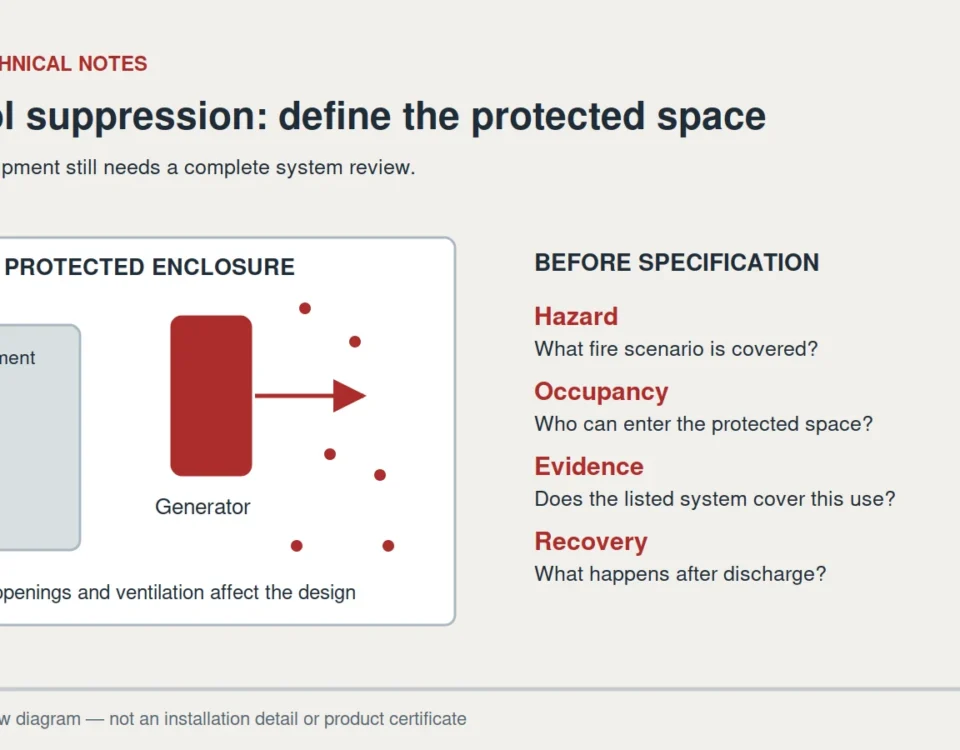
The required barrier function in transformer, generator and electrical rooms is determined by the equipment type, fire load, ventilation and use of adjoining areas. An existing louvred door should not be regarded as a fire barrier unless its fire resistance is documented.
Automatic deployment, integrated control and sustainable operation
The command to deploy the fire curtain is defined according to the approved fire scenario. Integration with the detection system, power-loss behaviour and any manual control are considered together. Backup-power capacity is verified for the control configuration of the proposed system. [2]
Keeping equipment and materials clear of the curtain’s deployment path, maintaining access for servicing and recording functional tests are part of the operating process. Evacuation arrangements and curtain movement are planned together in passage areas.
For an IMFire technical assessment, plans and sections, clear opening dimensions, the required performance class, mounting surface and control scenario should be shared together. These allow the appropriate product family, installation detail and control connections to be established from the project documents. [2]
IMFire develops fire and smoke barrier solutions appropriate to each project by considering architectural requirements, documented product performance and operating conditions together.
News and Technical References
- News reference: M5 Ihlamurkuyu Station, Haberler.com / AA, 13 October 2026
- IMFire DH-E240: product performance and scope of application
- IMFire D120: smoke control and system design
- BS EN 1634-1: fire-resistance test standard (BSI)
- BS EN 13501-2: fire-resistance classification (BSI)
- Image source: IMFire’s official YouTube channel – reference project installations
The images are taken from reference project installation videos published on IMFire’s official YouTube channel. Product selection and installation details are assessed in accordance with the approved fire scenario and the current test and classification documents for the relevant system.